Get Ceiling Scraping
Ceiling scraping services help property owners remove old paint, textured coatings, or stains, typically involving drywall, plaster, or popcorn ceiling removal projects.
Ceiling scraping services are a practical solution for property owners looking to improve or update their interior spaces. Whether preparing for a renovation, addressing ceiling damage, or enhancing the overall appearance of a room, finding experienced local contractors can help ensure the work is completed effectively. Exploring your options allows you to compare different service providers and select the right fit for your project needs, giving you confidence in the process.
Property owners in the area may consider ceiling scraping to achieve a smoother, more polished ceiling surface or to remove old paint and texture for a fresh start. By reviewing local contractors who specialize in this work, you can gather information on the expertise available nearby and make informed decisions about your project. Continuing to explore your options can help you find the services that best match your goals and property requirements.
- Ceiling scraping for water damage - needed when water stains or mold appear on ceilings due to leaks or flooding.
- Ceiling scraping for renovation projects - required when updating or removing old textured or damaged ceiling finishes.
- Ceiling scraping for asbestos removal - necessary when asbestos-containing materials are present in older ceiling surfaces.
- Ceiling scraping for paint preparation - performed prior to repainting when ceilings have peeling or uneven paint layers.
- Ceiling scraping for pest damage repair - needed when pests have caused damage or staining on ceiling surfaces.
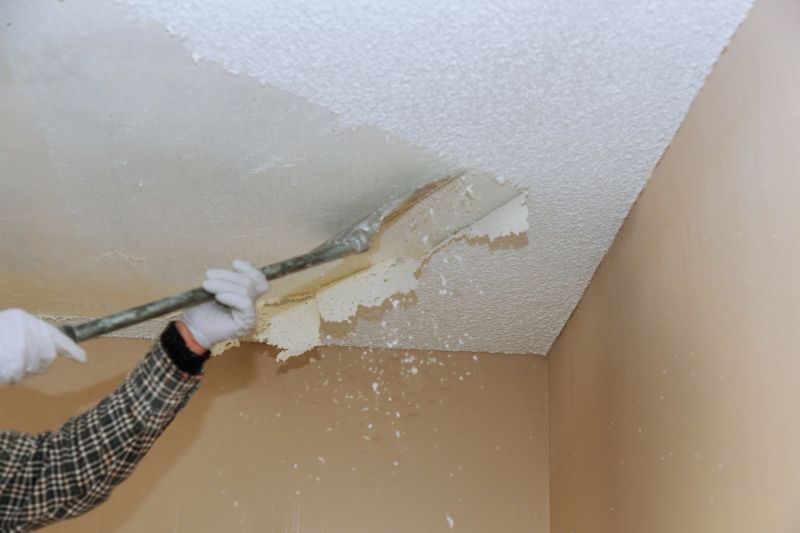
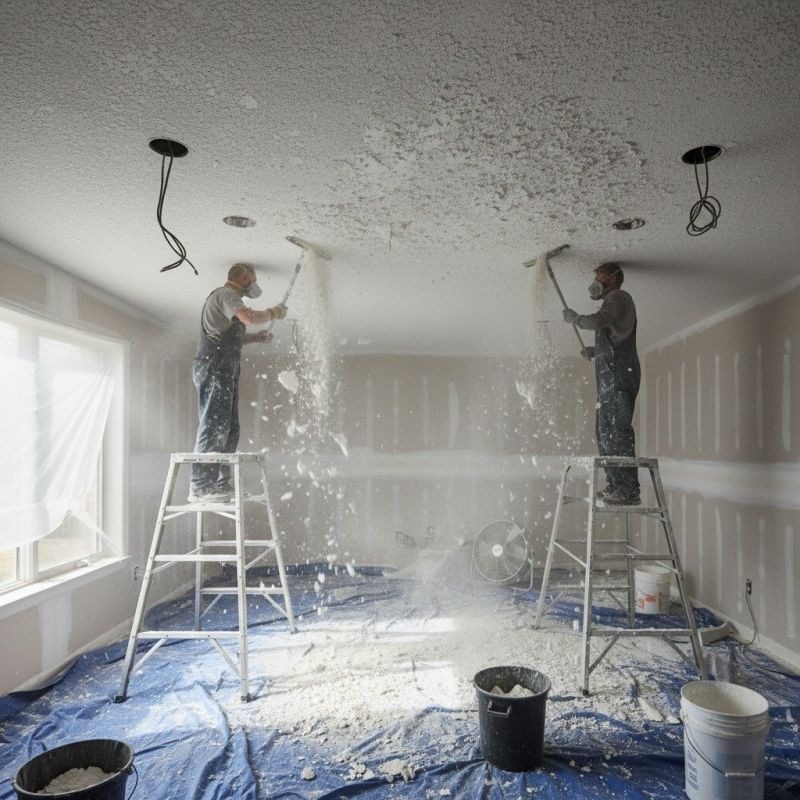
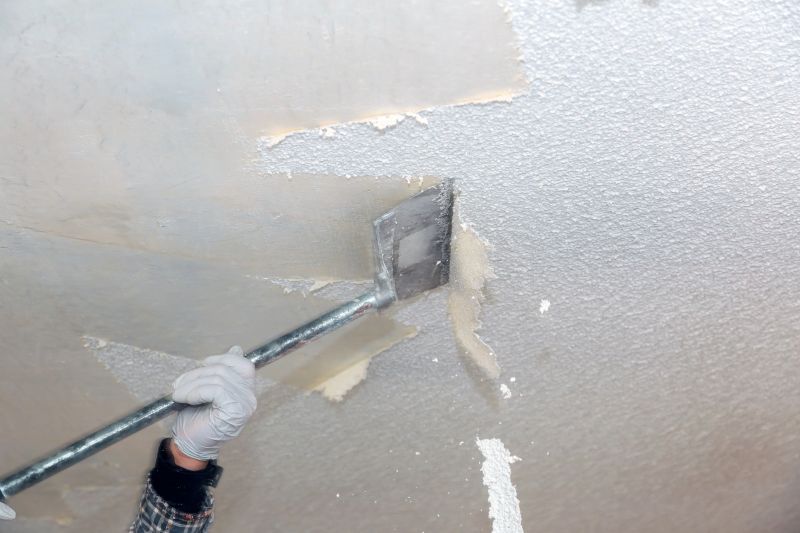
Ceiling scraping services involve carefully removing textured or decorative finishes from ceilings, such as popcorn or acoustic coatings. This process typically requires specialized tools and techniques to safely and efficiently strip away old or damaged materials. Homeowners often choose ceiling scraping when they want to update the appearance of a room, prepare surfaces for new finishes, or eliminate materials that may contain unwanted substances like asbestos. The work is usually performed by experienced contractors who can handle the delicate task of exposing smooth or properly prepared ceilings beneath the existing coatings.
One common reason to consider ceiling scraping is to address issues caused by aging or deteriorating ceiling textures. Over time, popcorn ceilings can become stained, sagging, or damaged, detracting from the overall look of a space. Removing these textures can also improve the room's brightness and create a more modern aesthetic. Additionally, ceiling scraping can help solve problems related to water damage, mold, or peeling paint, making it a practical step in repairs or renovation projects. Local contractors can evaluate the condition of a ceiling and recommend whether scraping is the best solution to restore or improve the space.
Ceiling scraping services are often used in residential properties, including single-family homes, apartments, and condominiums. These projects are common in older homes where textured ceilings were popular in past decades. Commercial buildings and rental properties may also benefit from ceiling scraping when updating interiors or addressing specific maintenance concerns. The scope of work can vary from small rooms to larger areas, with professionals tailoring their approach to the specific surface and material conditions. Homeowners and property managers seeking a clean, fresh ceiling surface often find this service to be a valuable part of their renovation or maintenance plans.
Choosing to work with local contractors who specialize in ceiling scraping ensures that the work is performed efficiently and safely. These service providers have experience handling different ceiling types and materials, including those that might contain hazardous substances like asbestos-common in older popcorn textures. Professional ceiling scraping can help resolve issues such as surface imperfections, outdated finishes, or the need for a smoother, more contemporary ceiling appearance. Contacting local pros allows homeowners to compare options and find a qualified team capable of delivering quality results for their property.
The overview below groups typical Ceiling Scraping projects into broad ranges so you can see how smaller, mid-sized, and larger jobs often compare in your area.
In many markets, a large share of routine jobs stays in the lower and middle ranges, while only a smaller percentage of projects moves into the highest bands when the work is more complex or site conditions are harder than average.
Smaller Repairs - typical costs for minor ceiling scraping jobs usually range from $250-$600. Many routine repairs fall within this middle range, depending on the size and accessibility of the area.
Medium Projects - larger, more involved ceiling scraping projects often cost between $600-$1,500. These projects may include multiple rooms or more detailed surface preparation.
Full Ceiling Replacement - complete removal and replacement of ceiling material can range from $1,500-$5,000 or more. Larger, more complex projects tend to push into the higher end of this spectrum.
Heavy or Specialty Work - specialized or extensive ceiling scraping, such as removal of hazardous materials, can exceed $5,000. Such projects are less common and typically involve significant preparation or safety measures.
Actual totals will depend on details like access to the work area, the scope of the project, and the materials selected, so use these as general starting points rather than exact figures.
Ceiling Repair Projects - Local contractors skilled in ceiling scraping often handle repairs that require removing damaged or deteriorated ceiling materials before restoration or finishing work.
Drywall Removal and Replacement - Professionals experienced in ceiling scraping are also adept at removing old drywall surfaces to prepare for new installations or renovations.
Popcorn Ceiling Removal - Ceiling scraping services commonly include the removal of textured popcorn ceilings to achieve a smoother, modern finish.
Water Damage Restoration - Contractors who perform ceiling scraping may also handle water-damaged ceilings, requiring careful removal of compromised materials.
Plaster Ceiling Restoration - Restoring or removing old plaster ceilings involves similar skills and tools used in ceiling scraping projects.
Acoustic Ceiling Removal - Removing acoustic or suspended ceilings often involves scraping and careful handling of ceiling materials, similar to ceiling scraping services.
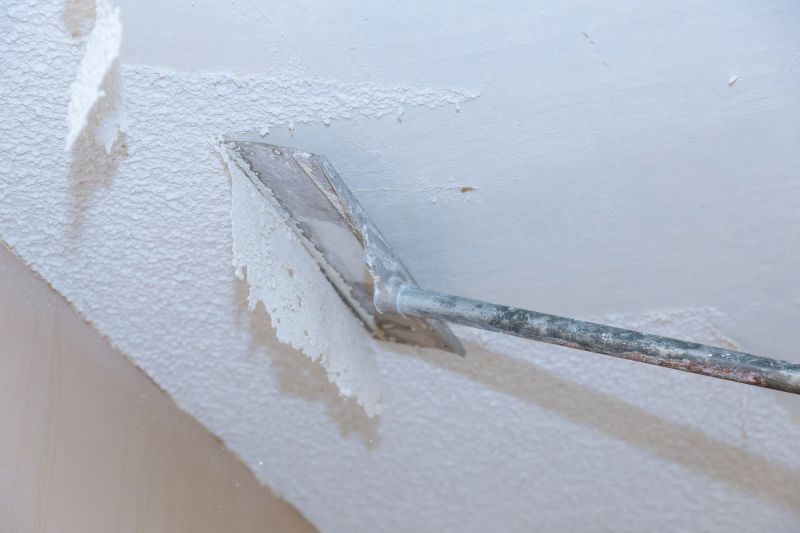
When evaluating local contractors for ceiling scraping services, it’s important to consider their experience with similar projects. Homeowners should inquire about how long the service provider has been performing ceiling scraping work and whether they have handled projects comparable in scope and complexity. An experienced contractor is more likely to understand the nuances of the job, ensure quality results, and navigate any unforeseen challenges that may arise during the process. This background can provide confidence that the selected professional is well-versed in the specific requirements of ceiling scraping.
Clear, written expectations are essential when comparing local service providers. Homeowners should seek detailed descriptions of the scope of work, including preparation steps, materials used, and the finishing process. Having these expectations documented helps avoid misunderstandings and ensures that both parties are aligned on what the project entails. It’s also beneficial to ask for a written outline of the project timeline, any necessary preparations, and the cleanup process, so that expectations are transparent from the outset.
Reputable references and effective communication are key factors in choosing a reliable contractor. Homeowners can ask for references from previous clients who had similar ceiling scraping work completed, providing insight into the contractor’s professionalism and quality of work. Additionally, good communication throughout the process-such as responsiveness to questions, clarity in explanations, and ease of contact-can make the experience smoother and more predictable. Service providers who prioritize clear dialogue and transparency tend to foster a more trustworthy working relationship, making it easier to compare and select the right local professional for the job.
Property owners use Ceiling Scraping services for practical projects around their homes and businesses. This guide focuses on everyday jobs and straightforward project options.
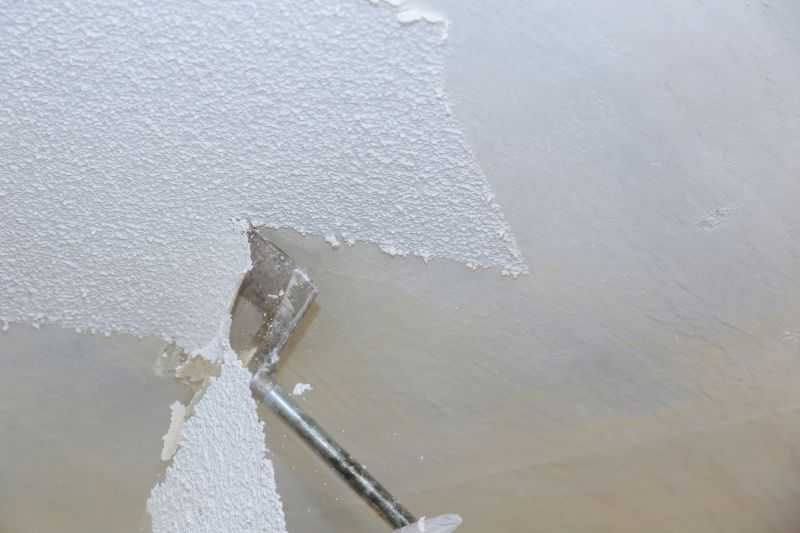
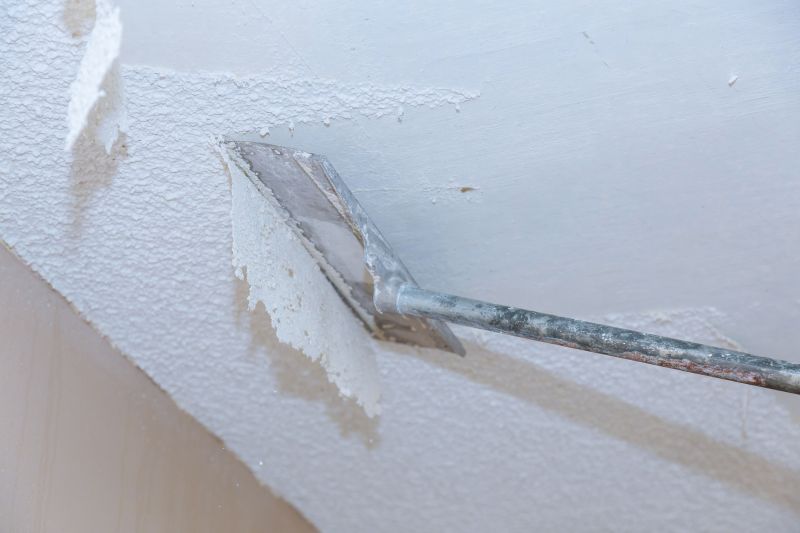
Ceiling scraping services are often needed for common home improvement projects such as removing old textured finishes, repairing damaged ceilings, or preparing surfaces for a fresh coat of paint. Property owners may seek out local contractors to handle these tasks when updating a room’s appearance or addressing issues like cracks, stains, or uneven surfaces. These services can also be useful during renovation projects where ceilings require smoothing or refinishing to achieve a clean, updated look.
Many property owners look for ceiling scraping work when preparing spaces for new paint or wallpaper, or when restoring ceilings after water damage or aging materials have deteriorated. Local service providers can assist with removing outdated textures or finishes that no longer suit the style of a home or commercial space. Connecting with experienced contractors ensures that the job is completed efficiently and to the property owner’s satisfaction.
What are ceiling scraping services? Ceiling scraping involves removing old paint, textures, or finishes from ceilings to prepare for a new coat or finish, typically performed by local contractors specializing in surface preparation.
What types of ceilings can be scraped? Ceiling scraping services can be applied to various ceiling types, including drywall, popcorn textures, acoustic tiles, and plaster surfaces, depending on the condition and desired finish.
Why should I consider ceiling scraping? Ceiling scraping can improve the appearance of ceilings, remove damaged or outdated textures, and create a smooth surface for painting or other finishes, handled by experienced local service providers.
Are ceiling scraping services suitable for all ceiling conditions? Most ceiling conditions can be addressed with scraping, but the suitability depends on the ceiling's material and condition; local contractors can assess and recommend appropriate methods.
How do local contractors perform ceiling scraping safely? Professional ceiling scraping involves using proper tools and techniques to minimize dust and damage, with local service providers following safety guidelines during the process.
Ceiling Scraping for Renovations - property owners planning interior updates can use ceiling scraping to prepare surfaces for new finishes or textures.
Removing Old Paint or Wallpaper - homeowners looking to refresh a room might rely on ceiling scraping to eliminate layers of outdated paint or wallpaper smoothly.
Addressing Water Damage - property owners dealing with water stains or damage can use ceiling scraping to remove compromised material before repairs.
Preparing for New Insulation - those upgrading attic or ceiling insulation may utilize ceiling scraping services to create a clean surface for installation.
If you are thinking about Ceiling Scraping for a property, this guide is meant to help you understand the work, the typical project types, and how different options might fit your plans.
When you are ready, you can use the quote form on this page to share a few details about your project. From there, local pros can review the basics and respond with options that match what you have in mind.